Your voice matters in shaping Detroit’s future, and the upcoming Detroit mayoral election will naturally determine who leads your city for the next four years. This guide breaks down everything you need to vote smart – from key dates and registration deadlines to the major issues that will impact your neighborhood, family, and daily life in Detroit.
What should you know about the Detroit Mayoral election 2025?
The Detroit mayoral election is scheduled for 2025, with voters choosing their next city leader through a two-step process. The primary election will likely happen in August 2025, followed by the general election in November 2025.
This election will shape Detroit’s future direction on key issues like public safety, economic growth, and infrastructure improvements. Residents aged 18 and above who meet residency requirements can participate in selecting their mayor.
The winning candidate will lead a city of approximately 670,000 people and manage significant challenges including budget concerns and neighborhood development. We recommend staying updated through official Detroit municipal channels as election details become available.
Key dates to remember for the Detroit mayoral election
Planning ahead helps ensure you don’t miss your chance to vote in this important election. The primary election typically occurs in August, while the general election takes place in November.
Voter registration deadlines usually close about 30 days before the primary election, which means registration will likely end in July 2025. Early voting periods typically begin 20-30 days prior to Election Day in Michigan.
Detroit’s municipal election often coincides with Michigan’s general election schedule. We advise marking these dates on your calendar once the Detroit City Clerk’s Office confirms the official timeline.
Candidates for the Detroit mayoral election
While official candidate announcements haven’t been made yet, the field typically includes diverse backgrounds and experience levels. Past elections have featured current city officials, local business leaders, and community activists.
Candidates usually represent varying platforms focused on different priorities for Detroit’s future. The candidate pool often reflects the city’s diverse population and range of perspectives on governance.
We expect candidate announcements to begin appearing several months before the primary election date. Each candidate will need to meet specific requirements and deadlines set by the city clerk’s office.
Major issues shaping the Detroit mayoral election
Economic recovery remains a top concern for many Detroit residents following pandemic impacts. Job creation and attracting new industries to the city will likely feature prominently in campaign discussions.
Public safety continues to be a priority, with neighborhood crime rates affecting daily life for residents. Infrastructure improvements, including street repairs and public transportation, also demand attention.
The city’s financial challenges require ongoing management, including addressing budget concerns. Other pressing issues include:
- Addressing homelessness and expanding affordable housing options
- Supporting small businesses and entrepreneurship
- Improving city services and response times
- Managing blight removal and neighborhood revitalization
Campaign strategies in the Detroit mayoral election
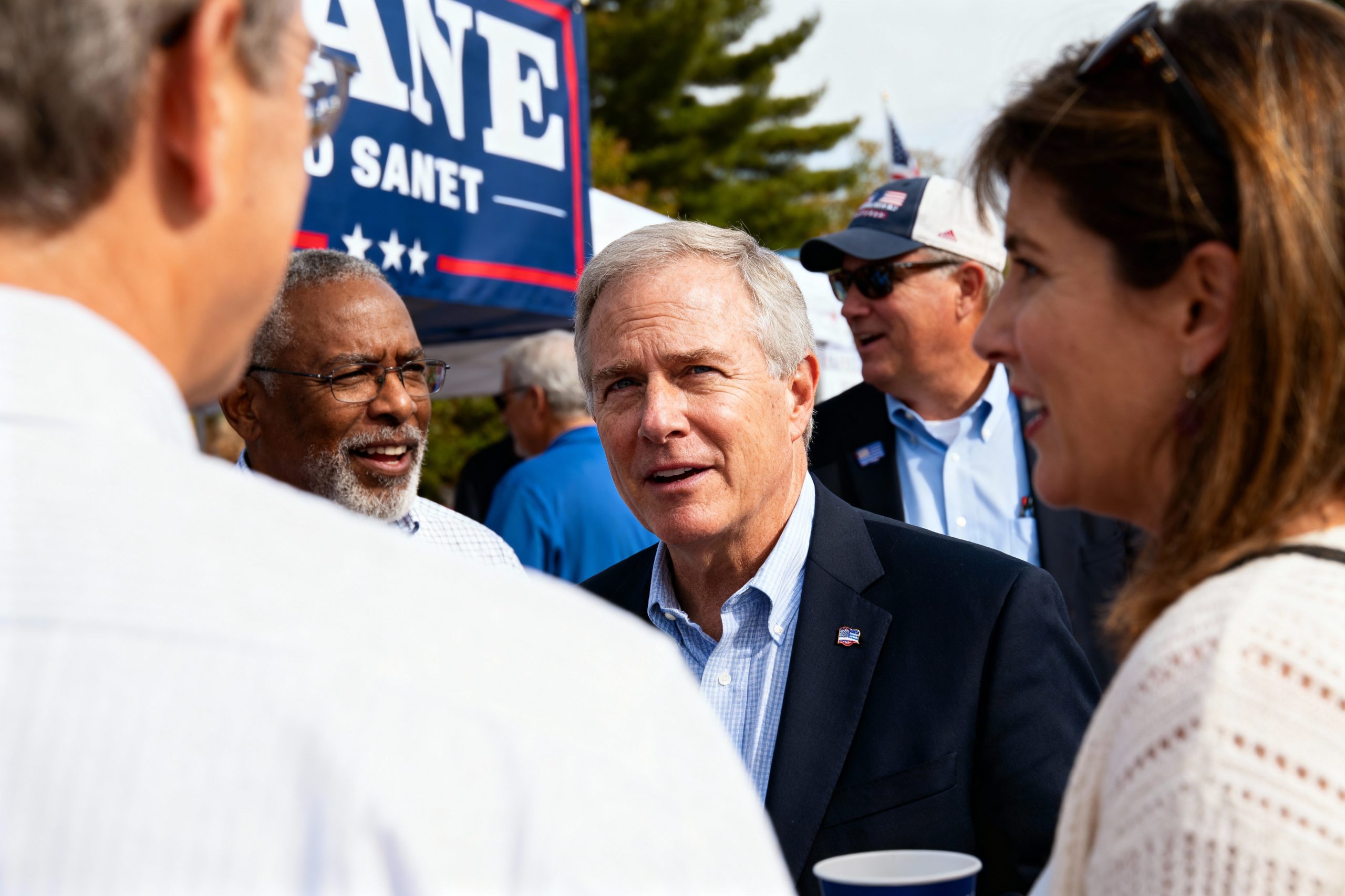
Modern campaigns rely heavily on social media platforms like Facebook, Twitter, and Instagram to reach voters. Candidates typically combine digital outreach with traditional community engagement methods.
Town halls and local events allow candidates to connect directly with residents and hear their concerns. Targeted advertisements often focus on districts with historically fluctuating voter turnout.
Debates and public forums help highlight differences between candidates on pressing issues like safety and economic policy. Campaign strategies often adapt based on which neighborhoods show the most engagement.
Voter registration and participation for the Detroit mayoral election
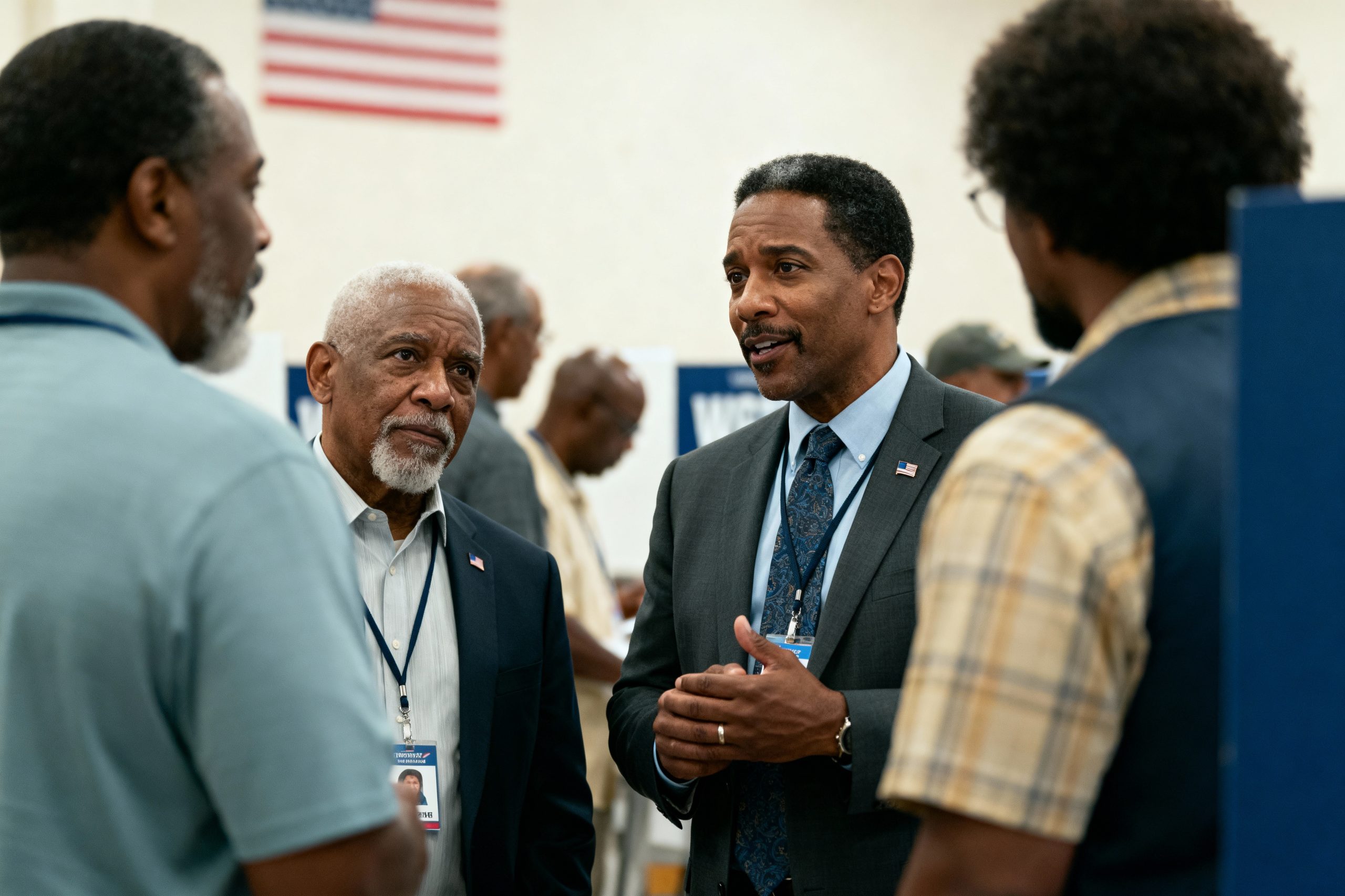
Detroit residents must register at least 30 days before the election date to participate. Eligible voters include U.S. citizens aged 18 and above who meet the city’s residency requirements.
Registration options include online through the Michigan Secretary of State website, by mail, or in person at local clerk offices. Recent outreach campaigns aim to increase participation among younger voters and minority communities.
Historical voter turnout in Detroit municipal elections ranges from 25-35% of registered voters. The 2021 Detroit mayoral election saw approximately 28% turnout among registered voters.
Early voting and absentee ballot options help make participation more convenient for working residents and those with scheduling conflicts. We recommend checking your registration status well before the deadline to avoid last-minute issues.
Historical context of the Detroit mayoral election
Detroit’s mayoral elections have long reflected major challenges including economic hardship, racial dynamics, and governance reform needs. The city’s financial crisis in the mid-2010s brought federal oversight and significant policy changes.
Previous mayors have shaped Detroit’s recovery trajectory, with leadership focusing on infrastructure improvements and safety reforms. The current mayor has served three terms, implementing various programs aimed at city stabilization.
Past elections have often centered around candidates’ approaches to managing the city’s comeback from urban decline. Each election cycle brings new perspectives on balancing development with existing resident needs.
How the Detroit mayoral election influences the city’s future
The elected mayor will directly influence Detroit’s economic growth policies and public safety approaches. Urban development decisions made by the new administration will affect neighborhoods citywide.
Election outcomes can significantly alter strategies for blight removal, public transit expansion, and partnerships with state and federal agencies. The mayor’s policies will impact Detroit’s ability to attract new investments and businesses.
Mayoral leadership historically affects Detroit’s recovery progress and residents’ quality of life improvements. The 2025 election results will determine the city’s direction for the next four years of development and governance.
We expect the winning candidate’s approach to influence everything from neighborhood safety programs to downtown development projects. This makes staying informed about candidates and their platforms especially valuable for all Detroit residents.
FAQ
When is the 2025 Detroit mayoral election held?
The 2025 Detroit mayoral election is scheduled for Tuesday, November 4, 2025. The primary election will take place on August 5, 2025, allowing voters to choose candidates for the general election.
Who are the candidates in the 2025 Detroit mayoral election?
The candidates in the 2025 Detroit mayoral election include Mary Sheffield, the Detroit City Council president, and Solomon Kinloch Jr., senior pastor of Triumph Church, who advanced after the August primary.
What are the major issues shaping the Detroit mayoral election?
The major issues shaping the Detroit mayoral election include public safety, economic recovery, infrastructure improvements, addressing homelessness, and supporting small businesses. Voters will prioritize these issues when selecting their next city leader.
How can Detroit residents participate in the mayoral election?
Detroit residents can participate in the mayoral election by registering at least 30 days before the election date. Eligible voters include U.S. citizens aged 18 and above who meet residency requirements. Registration options include online, by mail, or in person.
What is the voter registration deadline for the Detroit mayoral election?
The voter registration deadline for the Detroit mayoral election typically closes about 30 days before the primary election. This means registration will likely end in July 2025, so residents should plan accordingly.
Why is the 2025 Detroit mayoral election notable?
The 2025 Detroit mayoral election is notable because incumbent Mayor Mike Duggan is not seeking reelection. This creates an opportunity for new leadership and perspectives to address the city’s ongoing challenges and growth.

John is the Editor-in-Chief of The Peninsula, where he oversees the editorial direction and ensures every story reflects integrity, depth, and a strong connection to Michigan’s communities. With years of experience in journalism and newsroom leadership, he’s dedicated to producing clear, fact-driven reporting that highlights both local and national perspectives. Passionate about storytelling, John strives to make The Peninsula a trusted voice for readers seeking balanced news and thoughtful insight into the issues that shape everyday life in the region and beyond.