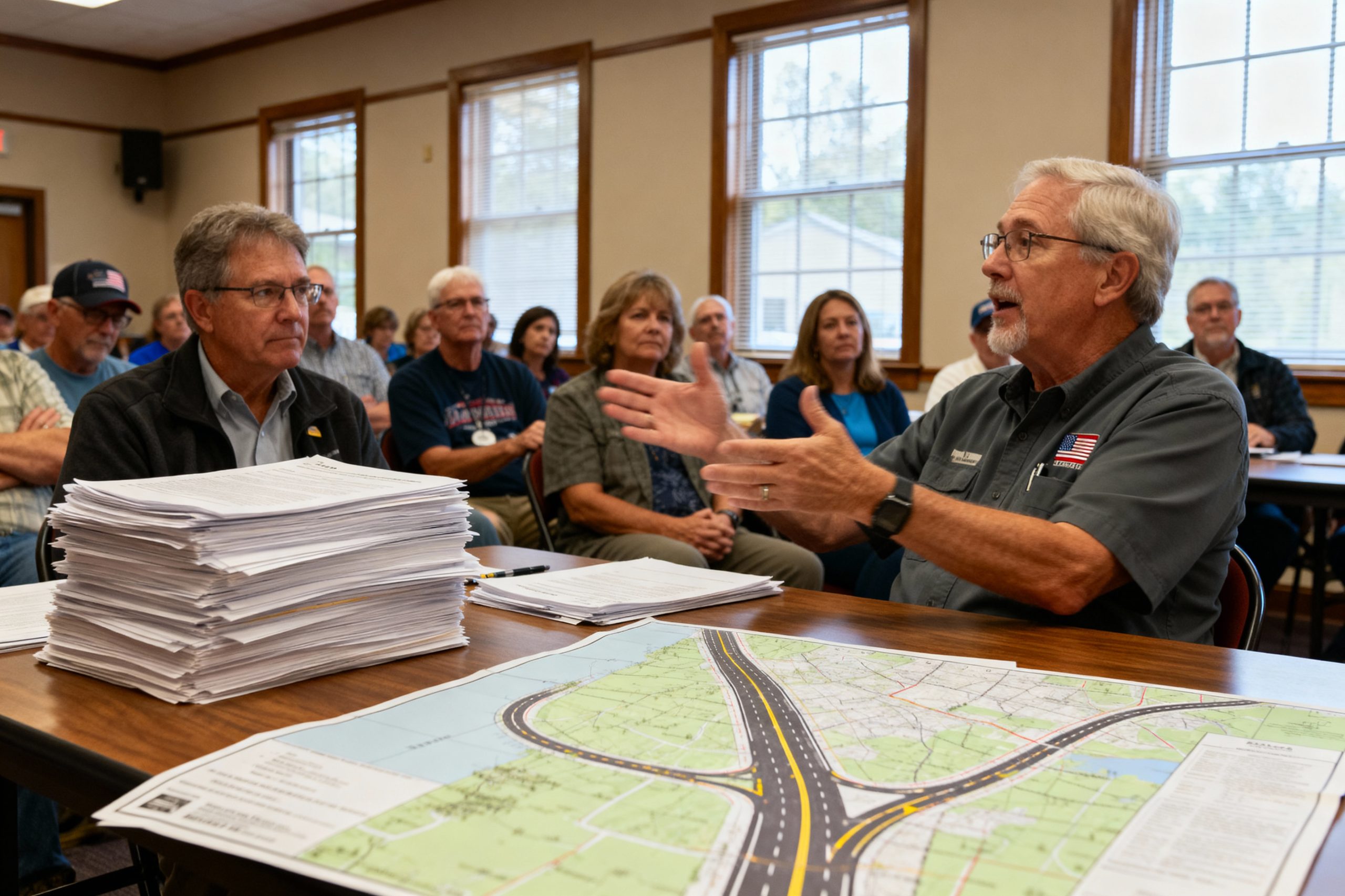
Every community naturally faces crumbling roads and urgent infrastructure needs, but securing the money to fix them doesn’t have to be overwhelming. Road funding opportunities exist at every level of government, and knowing where to look and how to apply can transform your local streets from budget headaches into successful improvement projects that bring real benefits to residents and businesses alike.
What should you know about road funding and grants?
Road funding comes from many different sources that work together to keep our streets and highways safe and working well. Government agencies at different levels provide money for road projects, from fixing potholes to building new bridges.
Understanding how this funding works can help communities get the money they need for road improvements. The process involves multiple steps and requirements that vary depending on the funding source.
Most road projects need money from several places to cover all the costs. Local governments often must put up some of their own money to match what they receive from bigger funding programs.
Understanding the types of road funding sources
Road funding comes from three main levels of government, each with different programs and requirements. Knowing which source fits your project best can save time and increase your chances of success.
The funding landscape includes everything from small local grants to massive federal programs worth billions of dollars. Each type serves different purposes and has unique rules about how the money can be used.
Federal road funding programs
The federal government provides the largest share of road funding through several major programs. The Highway Trust Fund represents the biggest source, allocating approximately $52 billion in fiscal year 2023 for infrastructure projects across the country.
Federal grants typically require matching funds from state or local agencies. This matching requirement usually ranges from 10-20% of total project costs, depending on which specific program you apply to.
Popular federal programs include BUILD and INFRA grants, which focus on larger infrastructure projects. These competitive programs awarded over $2 billion collectively in 2023 to various transportation improvements nationwide.
State and local funding opportunities
State transportation departments offer another major source of road funding through their own grant programs. Some states dedicate up to 30% of their transportation budget specifically for road repairs and upgrades.
Local funding comes from property taxes, special assessments, and municipal bonds. Cities and counties often combine these local sources with state and federal money to complete larger projects.
Regional transportation authorities also provide funding opportunities, especially for projects that cross multiple jurisdictions or connect different communities.
The application process for road grants
Applying for road grants requires careful planning and detailed documentation. The process typically takes anywhere from 6 months to over a year from initial application to final approval.
Most applications need several key components to be competitive:
- Detailed project proposals with clear timelines
- Accurate cost estimates from qualified contractors
- Environmental impact assessments
- Proof of compliance with federal guidelines
- Documentation of community support
We advise starting the application process early and working with experienced grant writers when possible. The competition for funding is intense, and well-prepared applications have much better success rates.
Key factors influencing road funding decisions
Funding agencies look at several important factors when deciding which projects to support. Project readiness often carries significant weight, as agencies want to fund projects that can start quickly and be completed on schedule.
Safety improvements rank high on most priority lists. Projects that can demonstrate measurable reductions in accidents or traffic problems often receive higher scores during the review process.
Economic impact also plays a major role in funding decisions. Projects that create jobs, improve business access, or support economic development have strong advantages in competitive grant programs.
Environmental considerations have become increasingly important. Projects must show they won’t harm local ecosystems and may need to include measures to protect water quality or wildlife habitats.
Recent trends in road funding initiatives
The funding landscape has shifted toward more sustainable and innovative transportation solutions. Over 60% of new grants in 2023 prioritized projects that include climate change mitigation strategies.
Electric vehicle charging infrastructure has become a major focus area. Many new grants specifically support projects that include charging stations or prepare roads for future electric vehicle needs.
Smart technology integration is another growing trend. Federal programs now offer up to $100 million for statewide transportation innovations, including intelligent traffic systems and real-time monitoring equipment.
Public-private partnerships are becoming more common, with some projects leveraging up to 50% of their funding from private sources. This trend helps stretch public dollars further while bringing in private expertise.
The future of road funding and infrastructure grants
The future of Road funding is moving toward more flexible and innovative financial models. New approaches include tolling systems, congestion pricing, and specialized grants for climate-resilient infrastructure.
Technology will play an even bigger role in both funding decisions and project implementation. Performance metrics and data-driven results are becoming standard requirements for grant applications.
We expect to see continued emphasis on multimodal transportation options. Future funding will likely favor projects that support walking, biking, and public transit alongside traditional vehicle traffic.
Federal transportation bills typically get renewed every 5 years, and these reauthorizations often bring new funding opportunities or modify existing programs. Staying informed about these changes helps communities plan their funding strategies effectively.
As infrastructure needs continue growing faster than available resources, competition for grants will become even more intense. Strategic planning and early engagement with funding agencies will be essential for success.
FAQ
What roads are federally funded?
Federally funded roads include highways and major interstate routes, which receive funding primarily through the Highway Trust Fund. These roads are essential for national transportation and infrastructure and are crucial for economic development and connectivity across states.
How much do taxpayers pay for roads?
Taxpayers pay for roads through various taxes, including fuel taxes and vehicle registration fees. These contributions help fund road maintenance and construction projects, with federal, state, and local levels all playing a role in the overall funding of road systems.
What is highway funding?
Highway funding refers to the financial resources allocated for the construction, maintenance, and repair of highways and roads. This funding primarily comes from federal and state programs aimed at maintaining a safe and efficient transportation network.
What are common mechanisms for financing roads?
Common mechanisms for financing roads include fuel taxes, vehicle taxes, tolls, public-private partnerships, and grants. These methods generate necessary funds to support the construction and upkeep of road infrastructure, ensuring safe travel for all users.
How do public-private partnerships (PPPs) work in road funding?
Public-private partnerships (PPPs) in road funding involve collaborations where private investors finance and sometimes maintain road projects. These arrangements help to alleviate the financial burden on public budgets and introduce private sector efficiency in project execution.

John is the Editor-in-Chief of The Peninsula, where he oversees the editorial direction and ensures every story reflects integrity, depth, and a strong connection to Michigan’s communities. With years of experience in journalism and newsroom leadership, he’s dedicated to producing clear, fact-driven reporting that highlights both local and national perspectives. Passionate about storytelling, John strives to make The Peninsula a trusted voice for readers seeking balanced news and thoughtful insight into the issues that shape everyday life in the region and beyond.