When politicians can’t agree on spending, real people suffer the consequences, and Michigan residents are experiencing this harsh reality firsthand. The Budget standoff in Michigan naturally affects everyone from teachers and hospital workers to families who depend on state services, creating uncertainty that ripples through entire communities. This comprehensive analysis reveals which groups face the biggest risks, explores potential solutions lawmakers are considering, and explains what you can expect in the coming weeks as this political crisis unfolds.
What are the implications of the budget standoff in Michigan?
The budget standoff in Michigan represents a significant political crisis that has disrupted state operations and left many residents uncertain about their future. This prolonged impasse in 2023 delayed the approval of crucial state funding, creating a ripple effect across multiple sectors of government and public services.
The heart of this conflict lies in disagreements over how to allocate funds for three critical areas: education, healthcare, and infrastructure. These disputes have effectively paralyzed the state legislature’s ability to move forward with essential budget approvals.
State services have already begun experiencing delays and reductions as a direct result of this standoff. Public health initiatives have been put on hold, while transportation projects face uncertain timelines.
We advise residents to stay informed about legislative developments, as the resolution of this crisis will directly impact their daily lives. The implications extend far beyond political posturing and affect real people who depend on state services.
Key stakeholders affected by the budget standoff in Michigan
State employees represent one of the most vulnerable groups during this crisis. Many face uncertainty about their job security and whether they’ll receive their paychecks on time.
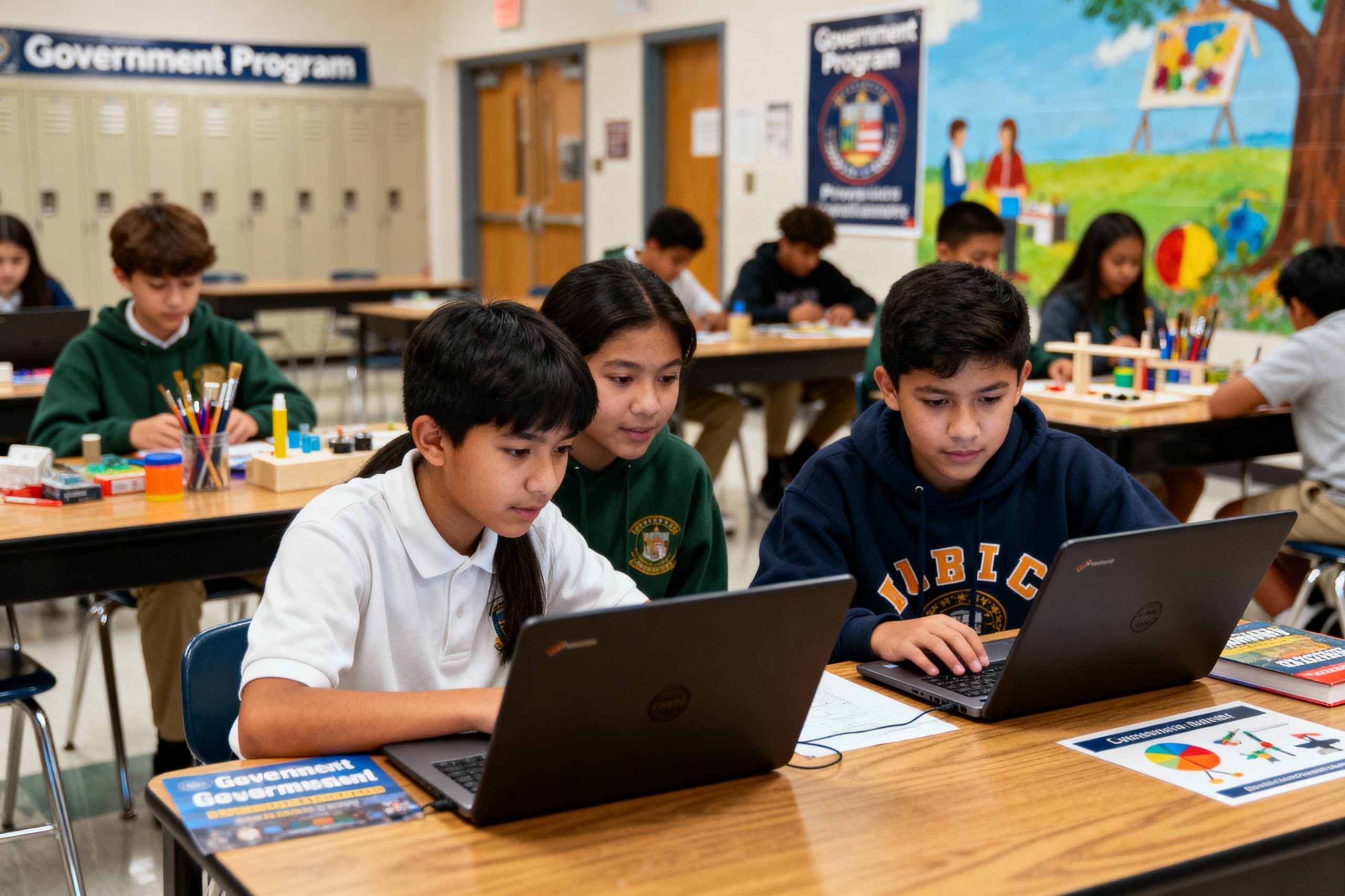
Public school districts across Michigan are feeling the pressure intensely. The Department of Education has warned about potential delays in funding disbursements, making it nearly impossible for school administrators to plan effectively for the upcoming academic year.
Healthcare providers throughout the state are also caught in this financial web. Hospitals and clinics that rely on state funding for various programs are scrambling to maintain their services while budget allocations remain frozen.
Local governments represent another critical stakeholder group. Many municipalities depend heavily on state funding to maintain basic services like police, fire departments, and road maintenance.
Economic consequences of the budget standoff in Michigan
Michigan’s economy has already begun showing signs of strain from this political deadlock. Infrastructure projects worth millions of dollars face delays that could end up costing taxpayers significantly more in the long run.
The construction industry is particularly hard hit, with contractors unable to begin or continue projects funded by state money. This creates a domino effect that impacts employment and local businesses that support these projects.
We advise business owners to prepare for potential cash flow disruptions, especially those who work with state contracts or depend on state-funded projects. The uncertainty makes financial planning extremely challenging.
Tourism and economic development initiatives have also slowed down. When potential investors see government dysfunction, they often look elsewhere for opportunities, which could have lasting effects on Michigan’s economic growth.
Proposed solutions to resolve the budget standoff
Several potential paths forward have emerged from various political quarters. Bipartisan negotiations remain the most promising avenue, though progress has been slow and often contentious.
Emergency funding measures represent a short-term solution that could address the most critical needs while lawmakers continue working on a comprehensive budget. This approach has worked in other states facing similar crises.
Some lawmakers have suggested revenue adjustments through tax modifications as a way to bridge funding gaps. This approach could provide the additional resources needed to satisfy different priorities without making drastic cuts.
- Mediation by neutral state leaders to facilitate productive discussions
- Input from stakeholder groups representing affected communities
- Transparent communication about budget priorities and constraints
- Compromise on non-essential spending to fund critical services
Future scenarios: What’s next after the budget standoff?
The path forward remains unclear, with several possible outcomes depending on how quickly lawmakers can reach agreements. The best-case scenario involves rapid resolution through compromise and collaborative problem-solving.
A more troubling possibility is continued fiscal disagreements that could lead to larger budget deficits. This scenario could trigger credit rating downgrades and make it more expensive for Michigan to borrow money in the future.
Some experts worry about the potential for government shutdown threats if the impasse continues much longer. This would escalate the crisis significantly and affect even more residents.
We advise keeping a close eye on legislative sessions and public announcements from key political leaders. The next few weeks will likely determine whether Michigan can avoid more serious consequences.
Analyzing public reactions to the budget standoff in Michigan
Public sentiment about the budget standoff in Michigan reveals deep divisions among residents. Many people express frustration with what they see as partisan politics taking precedence over practical governance.
Some citizens have shown support for budget constraints, particularly those who believe the state spends too much money. They view the standoff as necessary belt-tightening during challenging economic times.
Social media and public forums reflect growing impatience with the political process. Residents want to see their elected officials working together rather than engaging in political theater.
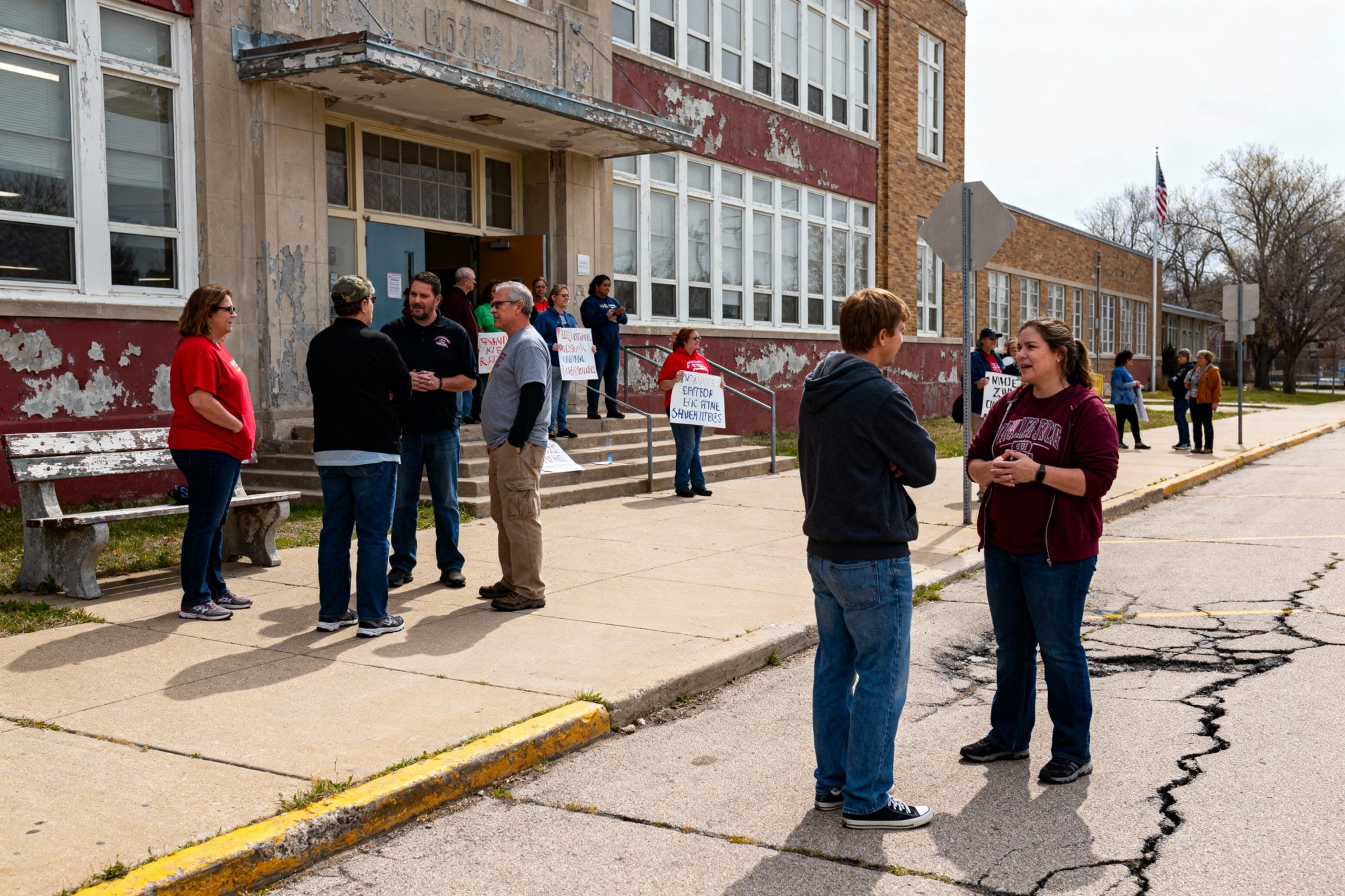
Community groups have begun organizing to pressure lawmakers for quick resolution. These grassroots efforts demonstrate how deeply this crisis affects ordinary families and businesses.
Long-term effects of the budget standoff in Michigan on public services
The extended nature of this budget crisis threatens to undermine public confidence in government institutions. When people can’t rely on consistent public services, they lose faith in their elected officials’ ability to govern effectively.
Health and safety programs face particular risk from prolonged funding uncertainty. Emergency services, public health initiatives, and environmental protection efforts all depend on predictable state support.
Educational institutions may need to make difficult choices about staffing and programming if funding delays continue. This could affect student outcomes and Michigan’s long-term competitiveness.
Infrastructure maintenance represents another area of concern. Deferred maintenance on roads, bridges, and public buildings often costs much more to address later than preventing problems through regular upkeep.
We advise community leaders to develop contingency plans for essential services while this crisis continues. Proactive planning can help minimize disruptions to the most vulnerable residents who depend on these programs.
FAQ
Did the state of Michigan pass the budget?
Yes, the state of Michigan passed the budget after a months-long stalemate. The budget, which totals nearly $81 billion, includes significant funding for roads and continues free student meals while avoiding controversial expenditures and new fees.
How far in debt is the state of Michigan?
The state of Michigan is facing substantial debt, although the exact figure fluctuates based on various factors, including budgetary decisions and economic conditions. The current situation has heightened concerns about the state’s financial stability and ongoing funding needs.
Did Michigan pass free lunch?
Yes, Michigan has continued its program for free student meals as part of the newly passed budget. This measure aims to ensure that students have access to nutritious meals, which is critical for their health and educational performance.
Is Michigan State University financially stable?
Michigan State University is currently in a position of financial stability but faces uncertainties influenced by state funding. The ongoing budget standoff and potential delays in appropriations can impact future financial planning for the university.
What was the outcome of the Michigan budget standoff?
The outcome of the Michigan budget standoff was positive, as lawmakers were able to pass a nearly $81 billion budget after extensive negotiations. This budget aims to address key issues, including necessary funding for infrastructure and education.
What were the main points of contention during the Michigan budget negotiations?
The main points of contention during the Michigan budget negotiations centered around how to allocate funds for education, healthcare, and infrastructure. The disagreements stemmed from differing priorities between the Republican-controlled House and the Democratic-led Senate.

John is the Editor-in-Chief of The Peninsula, where he oversees the editorial direction and ensures every story reflects integrity, depth, and a strong connection to Michigan’s communities. With years of experience in journalism and newsroom leadership, he’s dedicated to producing clear, fact-driven reporting that highlights both local and national perspectives. Passionate about storytelling, John strives to make The Peninsula a trusted voice for readers seeking balanced news and thoughtful insight into the issues that shape everyday life in the region and beyond.